



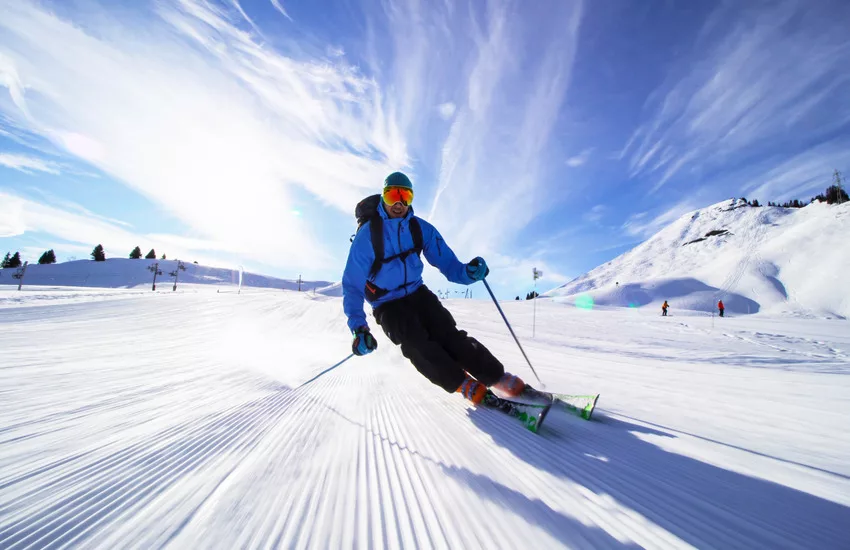
To fully enjoy every moment on the slopes, it’s crucial to prepare your body for the demands of the mountain. After all, skiing and snowboarding require a unique blend of strength, endurance, balance, and flexibility. If you’ve spent the summer off your feet, you might find yourself more vulnerable to injuries and burnout when you finally hit the slopes. By practicing these exercises and maintaining good health, you’ll be carving up the slopes all winter long and enjoying every second of it. Each exercise below targets the muscles skiing works hardest (your quads, glutes, hamstrings, and core) and includes step-by-step instructions, sets, and reps. They work just as well for snowboarders.
Safety note: Check with your doctor or a physical therapist before starting a new training program, especially if you’re coming back from an injury.
Ski Workout at a Glance
| Exercise | Main muscles / benefit | Sets and reps |
|---|---|---|
| 1. Squats | Quads, glutes, hamstrings | 3 × 15–20 |
| 2. Lunges | Quads, glutes, hamstrings, calves | 3 × 12 per leg |
| 3. Planks | Core stability | 3 × 30–60 sec |
| 4. Russian twists | Obliques, rotational control | 3 × 20 (10 per side) |
| 5. Lateral ski jumps | Leg power, agility, balance | 3 × 30–60 sec |
| 6. Wall sits | Quad endurance | 3 × 30–60 sec |
| 7. Single-leg deadlifts | Hamstrings, glutes, balance | 3 × 12 per leg |
| 8. Box jumps | Explosive leg power | 3 × 10 |
| 9. Leg blasters | Lower-body endurance | 2–3 rounds |
| 10. Cardio | Aerobic endurance | 20–30 min, 3–4× per week |
Best Exercises to Prepare for Skiing
1. Squats
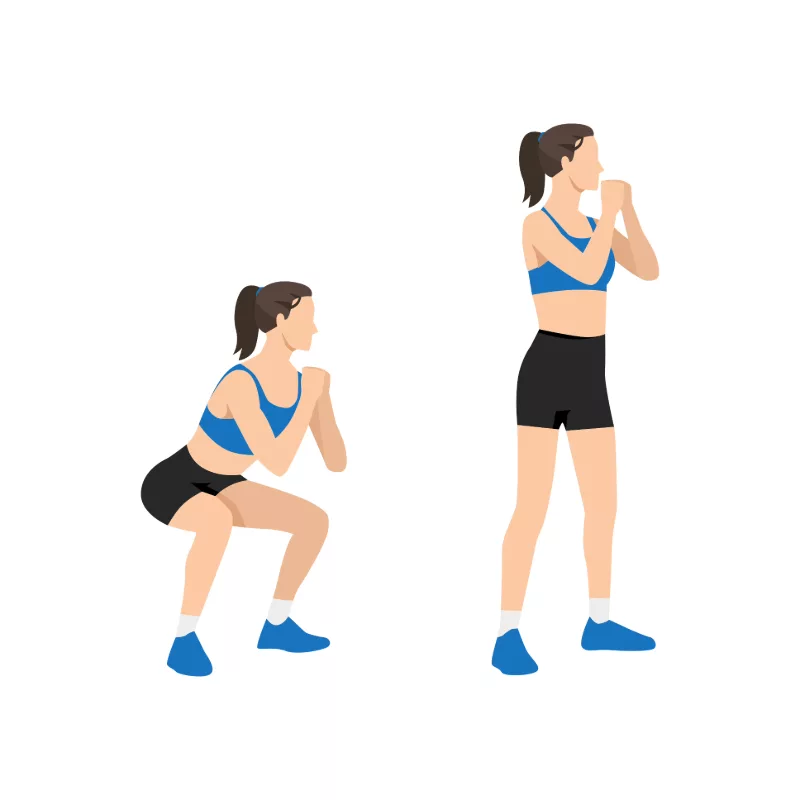
Squats are a game-changer for getting your legs ready for the slopes. They target the quads, hamstrings, and glutes, the main muscles that power every turn. Since skiing puts significant strain on your legs during turns and while holding your athletic stance, squats help mimic those movements, building the endurance you need to stay strong and energized all day long.
How to do it:
- Stand with your feet shoulder-width apart.
- Lower yourself into a squat by pushing your hips back and bending your knees until your thighs are about parallel to the floor, keeping your chest up and your weight in your heels.
- Push back up to standing, keeping your knees aligned with your toes.
- Aim for 3 sets of 15-20 reps.
- Make it harder: Once 20 reps feel easy, hold dumbbells or switch to jump squats.
2. Lunges
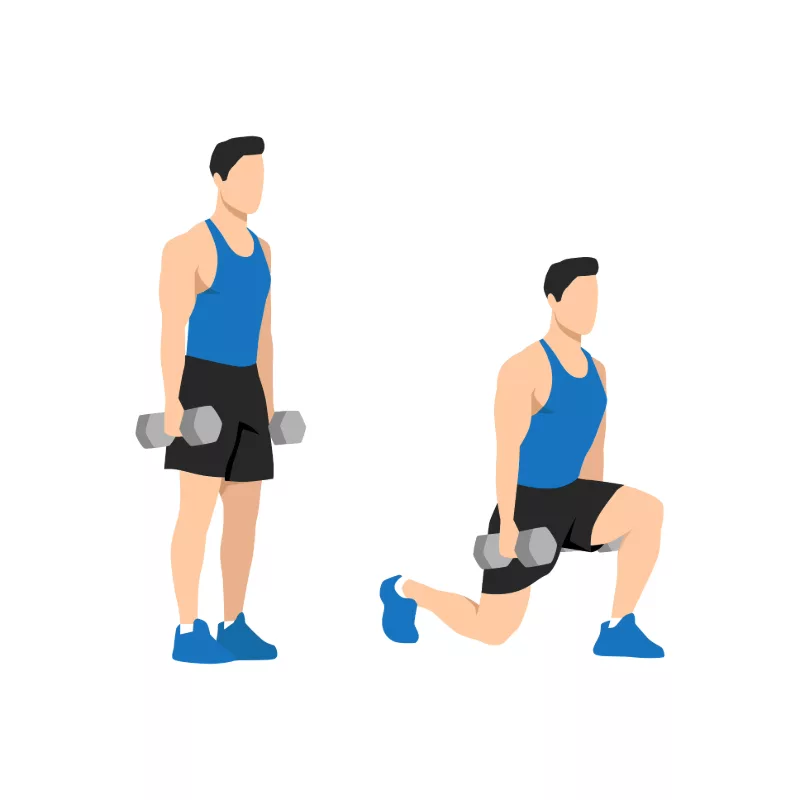
Lunges work your quads, hamstrings, glutes, and calves one leg at a time, much like the way skiing loads each leg differently through a turn. They build the strength and stability you need to stay in control on the slopes. Since the motion mimics pushing off and carving turns, lunges help you sharpen your ability to stay balanced and in command, run after run.
How to do it:
- Stand upright and take a large step forward with one leg.
- Lower your body until both knees are bent at 90-degree angles, keeping your front knee over your ankle.
- Push off with your front foot to return to the starting position.
- Repeat on the other side.
- Do 3 sets of 12 reps per leg.
- Make it harder: Hold dumbbells at your sides, or try walking lunges.
3. Planks
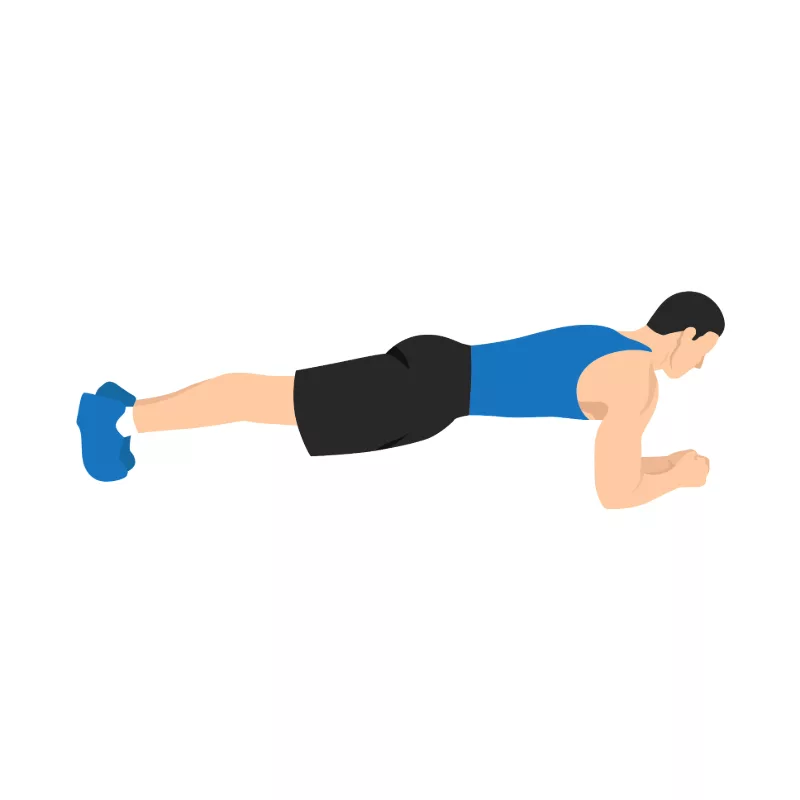
Your core is your anchor on the slopes, keeping you steady whether you’re charging down steep runs or coasting through flat sections. Planks are a go-to move for building core endurance, which is key for staying balanced and in control. A strong core helps you hold good posture, even on tricky terrain, so you can ski longer and stronger without losing your form.
How to do it:
- Get into a forearm plank: elbows under your shoulders, forearms on the ground, and legs extended behind you.
- Keep your body in a straight line from your shoulders to your heels.
- Hold the position for 30 seconds to a minute, engaging your core.
- Gradually work up to 3 sets of 1-minute holds.
4. Russian Twists
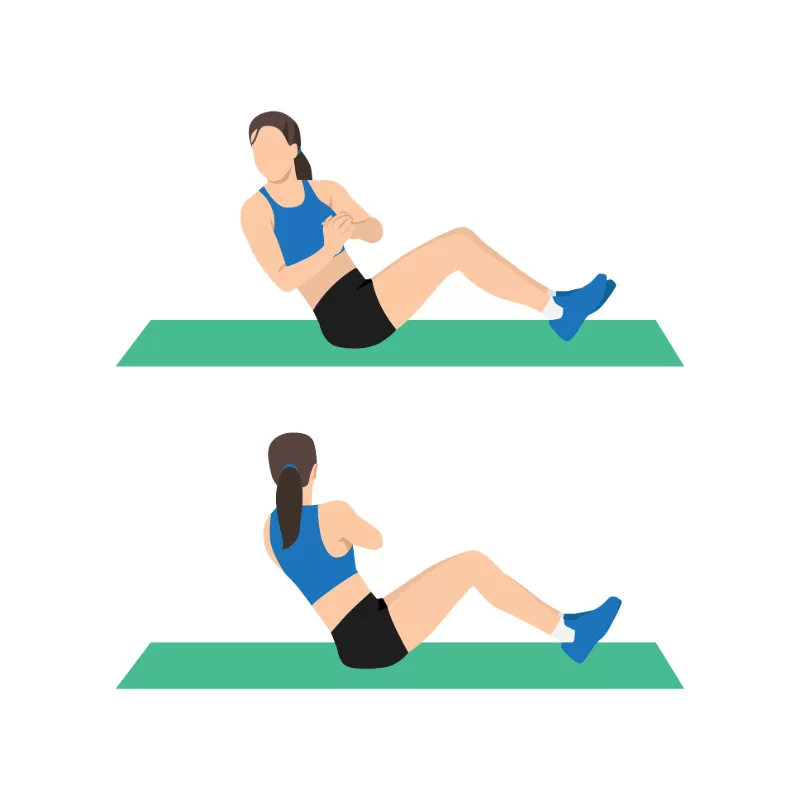
Skiing involves frequent twisting motions as you navigate turns. Russian twists build the rotational strength needed for smooth, controlled movements. This rotational movement is perfect for developing the obliques, which are key for controlling twists and turns while skiing and for keeping your upper body quiet while your legs turn beneath you.
How to do it:
- Sit on the floor with your knees bent and feet flat.
- Lean back slightly and hold a weight or medicine ball in front of you.
- Rotate your torso to the right, bringing the weight to your side.
- Rotate back to the left.
- Do 3 sets of 20 twists (10 on each side).
5. Lateral Ski Jumps
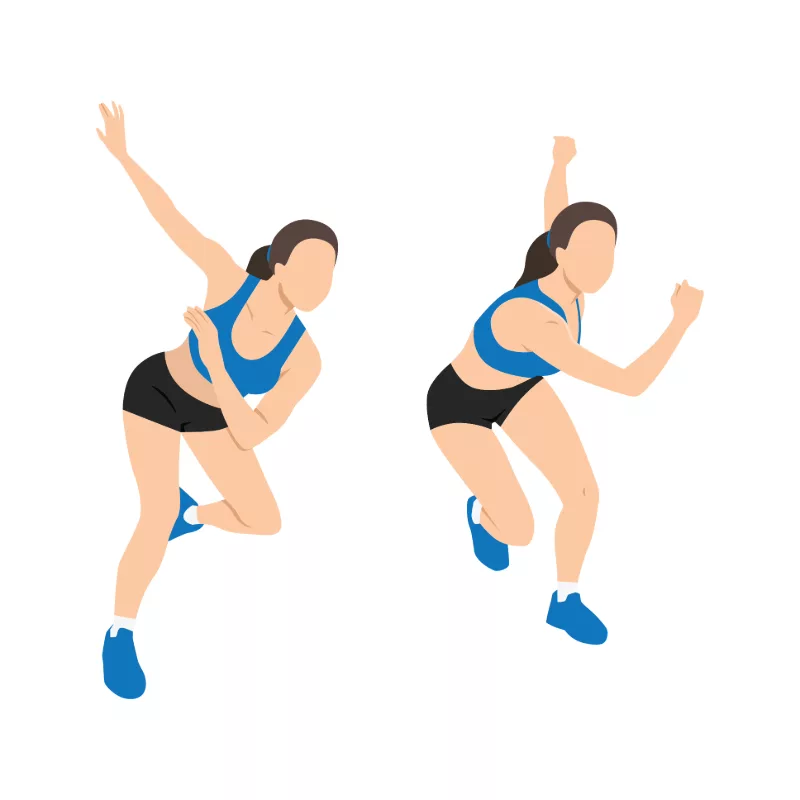
Lateral ski jumps (also called skater jumps) are a great way to train for the side-to-side motion of skiing, building explosive leg power and sharpening coordination. These jumps mimic the fast, precise movements you’ll use while carving down the slopes. They also boost agility and balance, all while strengthening the muscles that keep your knees and ankles stable run after run.
How to do it:
- Stand with your feet hip-width apart.
- Jump to the right, landing softly on your right foot, with your left foot hovering off the ground.
- Immediately jump to the left, landing on your left foot.
- Continue alternating for 30 seconds to 1 minute.
- Do 3 sets.
6. Wall Sits
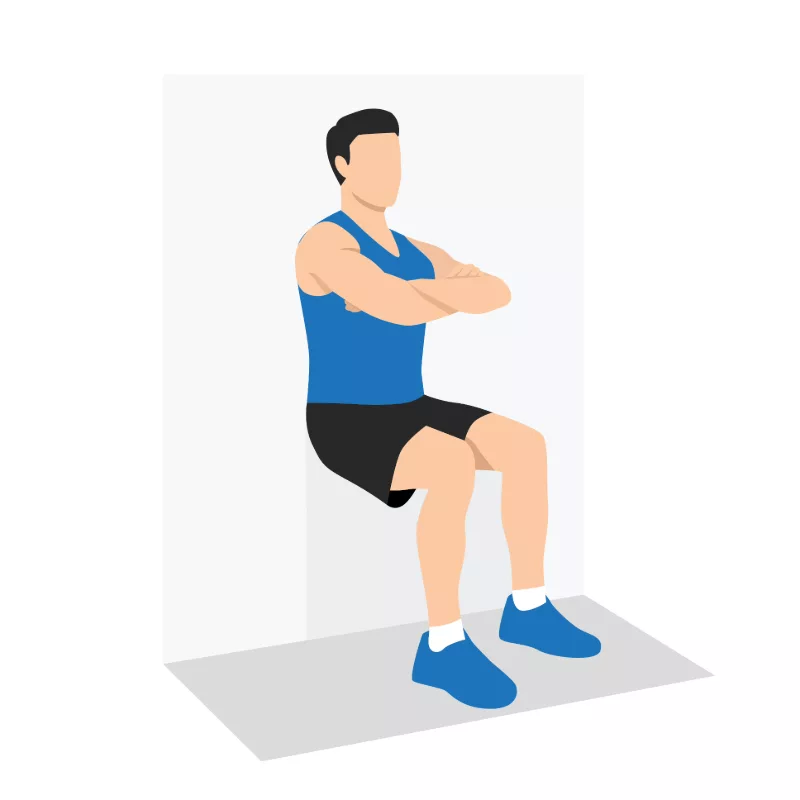
Wall sits are great for building the leg endurance you’ll need to power through those long, thigh-burning runs. By mimicking the semi-squat position you hold while skiing, they train your muscles to stay strong and steady, helping you fight off fatigue and keep going on those extended days on the mountain.
How to do it:
- Stand with your back against a wall and slide down into a seated position.
- Hold this position with your knees bent at 90 degrees.
- Aim to hold the position for 30-60 seconds.
- Do 3 sets.
7. Single-Leg Deadlifts
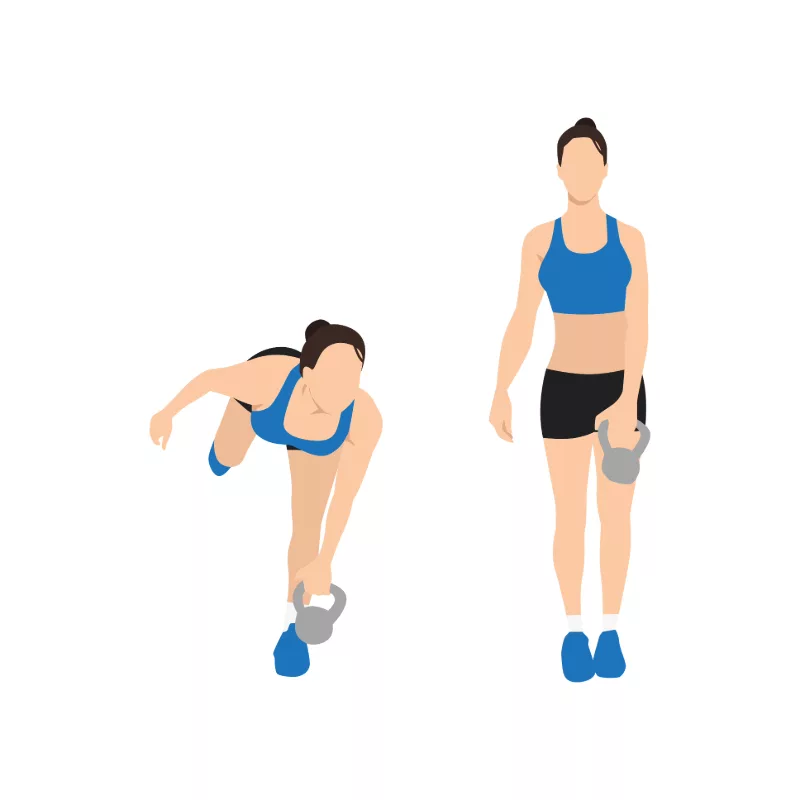
Single-leg deadlifts are fantastic for boosting your balance while strengthening your hamstrings and glutes, both vital for stability on the slopes. This exercise tests your balance, which is essential when navigating uneven or tricky terrain. Plus, it strengthens the muscles that support your lower back and hips.
How to do it:
- Stand on your right leg, holding a dumbbell in your left hand.
- Hinge at your hips, keeping your back flat, lowering the dumbbell toward the ground while extending your left leg behind you.
- Return to the starting position and repeat for 12 reps on each leg.
- Complete 3 sets.
8. Box Jumps
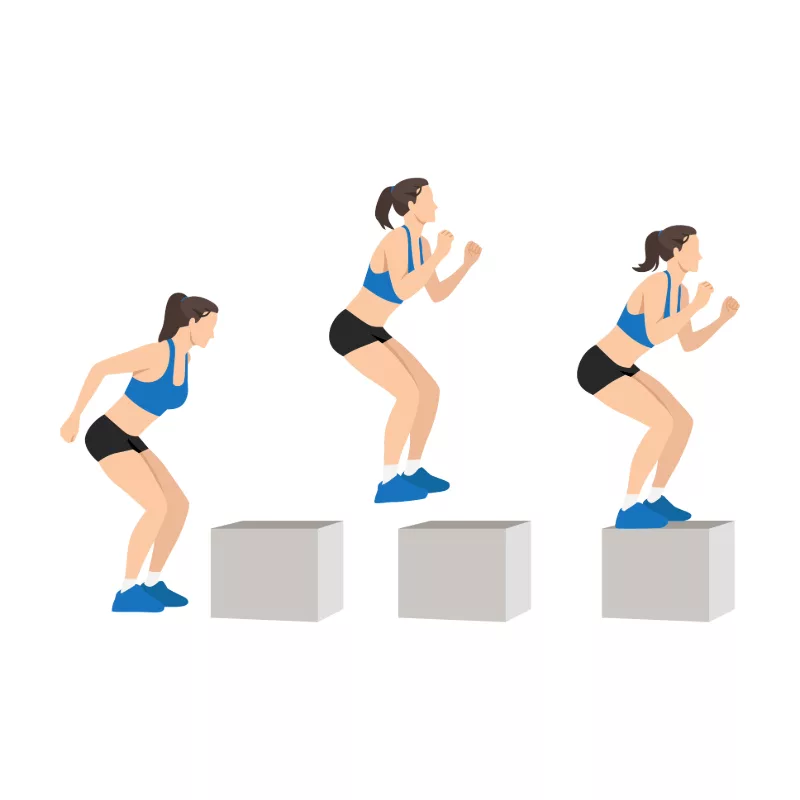
Skiing demands sudden bursts of power, whether you’re launching off jumps or rapidly shifting your weight. Box jumps are perfect for developing the leg strength and explosiveness you need for those moments. This plyometric exercise mirrors the movements required to tackle moguls and rough terrain, making it an essential part of any ski conditioning routine.
How to do it:
- Stand in front of a sturdy box or bench.
- Jump onto the box, landing softly with both feet.
- Step back down and repeat.
- Aim for 3 sets of 10 jumps.
- Beginner tip: Start with a low box (about 12–20 inches) and focus on soft, quiet landings before going higher.
9. Leg Blasters
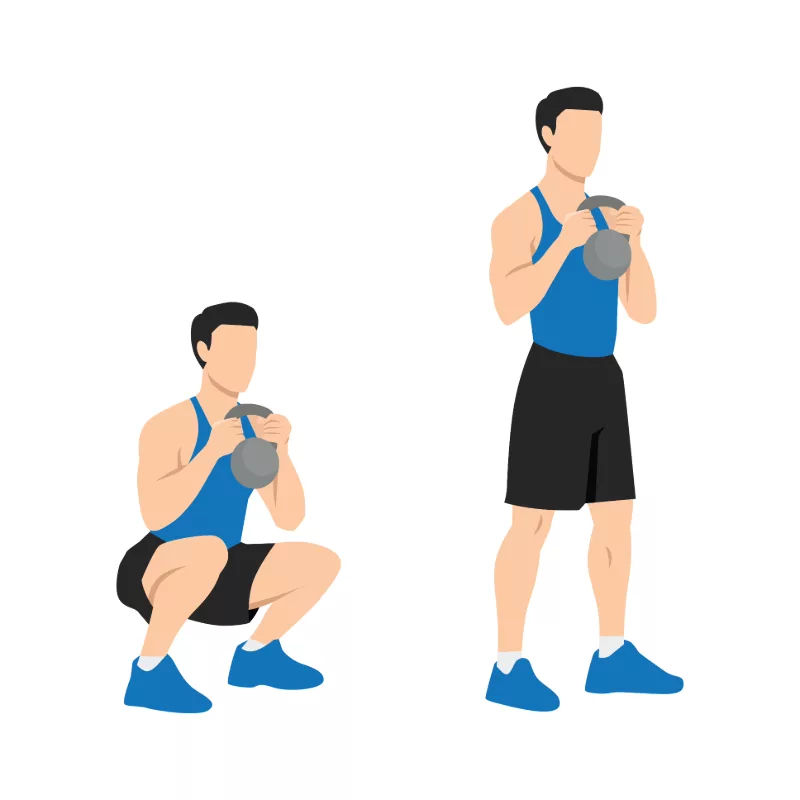
Leg blasters are a classic ski-conditioning circuit that strings squats, lunges, and jumps together with no rest to build serious lower-body endurance. They’re perfect for preparing for the leg fatigue that often accompanies a long day of skiing or snowboarding.
How to do it:
- Do 20 bodyweight squats.
- Go straight into 20 alternating lunges (10 per leg).
- Then do 20 jump lunges (10 per leg).
- Finish with 10 jump squats.
- Rest 60–90 seconds and repeat for 2–3 rounds. Beginners can halve the reps or skip the jumps.
10. Cardio Training
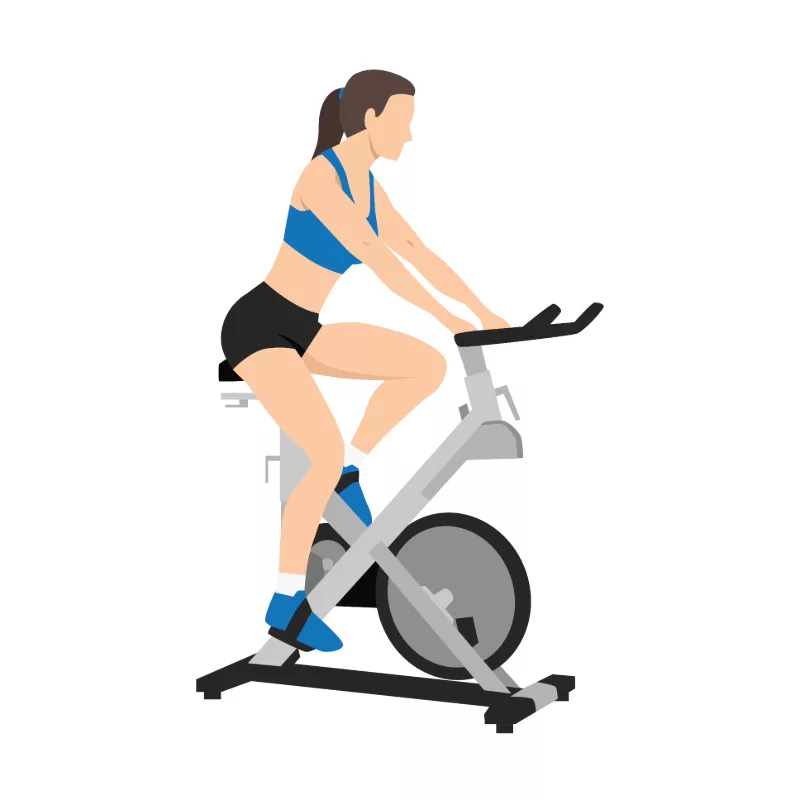
Don’t forget about cardio! Skiing requires a good amount of cardiovascular endurance, especially at higher altitudes where the air is thinner. A strong cardiovascular system will allow you to handle long days on the slopes without getting winded.
What to do:
- Incorporate activities like running, cycling, or rowing into your routine, aiming for 20-30 minutes of moderate to intense cardio 3-4 times a week.
- High-Intensity Interval Training (HIIT) is also great for boosting your stamina and replicating the bursts of energy skiing requires. Try 30–60 seconds hard followed by 1–2 minutes easy, repeated 6–8 times.
How Far in Advance Should You Start Training for Ski Season?
Start 6–8 weeks before your first ski day if you can. That gives your muscles enough time to build real strength and endurance. If you only have 2–3 weeks, focus on squats, wall sits, lunges, and cardio, and ease off hard workouts a few days before your trip so your legs feel fresh when you arrive.
Sample Weekly Ski Workout Plan
Use this as a template and adjust it to your fitness level. Plan for 2–3 strength days and 3–4 cardio sessions each week.
- Monday (strength): Squats, lunges, single-leg deadlifts, planks
- Tuesday (cardio): 20–30 minutes of running, cycling, or rowing
- Wednesday: Rest or light stretching
- Thursday (power and balance): Lateral ski jumps, box jumps, wall sits, Russian twists
- Friday (cardio): HIIT intervals
- Saturday (endurance): Leg blasters, planks, plus optional easy cardio
- Sunday: Rest
Exercises to Prepare for Skiing: FAQs
What muscles does skiing use the most?
Skiing relies most on your quadriceps, which hold you in a bent-knee athletic stance, along with your glutes, hamstrings, and core. Your calves, hip stabilizers, and obliques also help with balance and turning.
How can I get in shape for skiing in a few weeks?
Prioritize leg endurance and cardio. Do squats, wall sits, and lunges 2–3 times a week, add 20–30 minutes of cardio on other days, and give your legs a few easy days before the trip. Even short-term training can make your first days on the mountain feel noticeably easier.
Are these exercises good for snowboarding too?
Yes. Snowboarding uses the same leg, glute, and core muscles. Snowboarders may want extra focus on balance work like single-leg deadlifts and on core rotation like Russian twists.
Can exercising before ski season help prevent injuries?
Building strength and balance can help lower your risk, since tired, weak legs make it harder to stay in control. No workout removes risk entirely, so pair your training with smart habits on the mountain, like warming up, taking breaks, and skiing within your ability.
Do I need a gym to train for skiing?
No. Squats, lunges, planks, wall sits, lateral ski jumps, and leg blasters need only your body weight. A pair of dumbbells and a sturdy step or bench cover the rest.
Get Your Body (and Your Gear) Ready for Ski Season
Preparing for skiing isn’t just about avoiding sore muscles or fatigue. It’s about maximizing your enjoyment and performance at any age. By adding these exercises to your fitness routine, you’ll develop the strength, endurance, and balance needed for a more confident, safer, and enjoyable time on the mountain.
Once your legs are ready, make the trip easier too. Instead of hauling skis and boots through the airport, ship your gear ahead with Ship Skis so it’s waiting for you at your hotel, rental, or resort when you arrive.