



As with any sport, skiing and snowboarding come with inherent risks. There may not be head-on football tackles or 100-mph golf balls flying past you, but plenty of factors on the mountain can lead to trouble if you’re not paying attention.
Crowded runs, changing snow conditions, unpredictable weather, and fatigue over long ski days can all increase the chance of injury if you’re not careful. By following a few essential safety tips for skiing, you can reduce the risk of accidents, avoid collisions, and ski with greater confidence and control.
Here are the most important safety tips for skiing that everyone should know.
Safety Tips for Skiing
1. Stay in Control
Always ski at a speed and in a manner that allows you to stop or avoid people, terrain features, and unexpected obstacles. Loss of control is one of the most common causes of ski accidents, especially on busy runs where conditions and traffic can change quickly. Adjust your speed based on visibility, snow conditions, terrain, and the number of skiers around you—not just your ability or confidence level.
2. Yield to Skiers Downhill
Skiers and snowboarders downhill from you always have the right of way, one of the most basic safety tips for skiing. They may not see you approaching from above, which makes it your responsibility to anticipate their movements and avoid them. Choose a predictable line, maintain awareness, and avoid sudden direction changes that could surprise others.
3. Stop Only Where You’re Visible
Never stop in blind spots, below trail rollovers, or in narrow sections of a run. Skiers coming from above may not see you in time to react, increasing the risk of collisions. When stopping, pull well off to the side of the trail and make sure you’re clearly visible from uphill.
4. Look Uphill Before Starting or Merging
Before starting downhill, merging onto a trail, or entering from the side, always look uphill and yield to oncoming traffic. Trail intersections and merges are common collision zones, and a quick check can prevent dangerous surprises for both you and others.
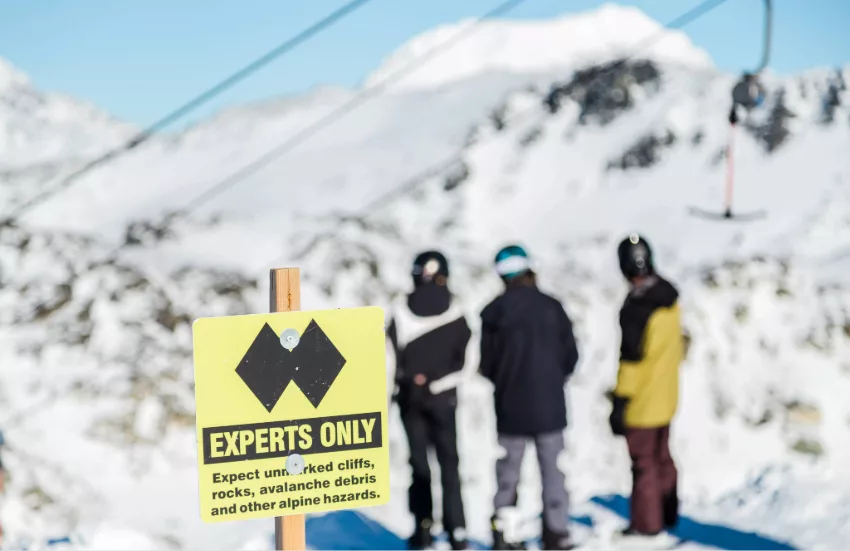
5. Obey Signs and Trail Markings
Pay close attention to posted signs, warnings, and trail closures. Slow zones, closed runs, and hazard markers are in place for a reason—even if conditions look manageable at first glance. Ignoring signage puts both you and other skiers at unnecessary risk.
6. Know How to Use Lifts Safely
Be prepared when loading, riding, and unloading chairlifts, and stay attentive throughout the process. Many lift-related incidents happen when skiers rush, get distracted, or panic at the unload area. If you’re unsure about lift procedures—or skiing with kids or beginners—don’t hesitate to ask lift attendants for help.
7. Ski Sober — Après Comes After
One of the most important safety tips for skiing is to avoid skiing or riding while impaired by alcohol or drugs. Even small amounts can affect balance, reaction time, and judgment, especially at altitude or late in the day when fatigue sets in. Save après-ski for after you’re finished on the mountain, as many accidents happen on final runs when reduced focus and exhaustion combine.
8. Secure Your Equipment
Always make sure skis, snowboards, and poles are properly secured when stopped or off your feet. Loose equipment can slide downhill and cause serious injuries to others. When taking breaks, place gear flat on the snow or in designated racks.
9. Wear Proper Safety Gear
Wearing a helmet is strongly recommended for skiers and snowboarders of all ages and ability levels. Helmets significantly reduce the risk of head injuries in falls and collisions and have become standard safety equipment across the sport.
10. Be Prepared for All Conditions
Weather and snow conditions can change quickly throughout the day. Poor visibility, icy surfaces, deep snow, and fatigue all increase the risk of injury. Take regular breaks, stay hydrated, dress appropriately, and call it a day before exhaustion begins to affect your technique and decision-making.
Bonus Safety Tips for Skiing on Busy Ski Days
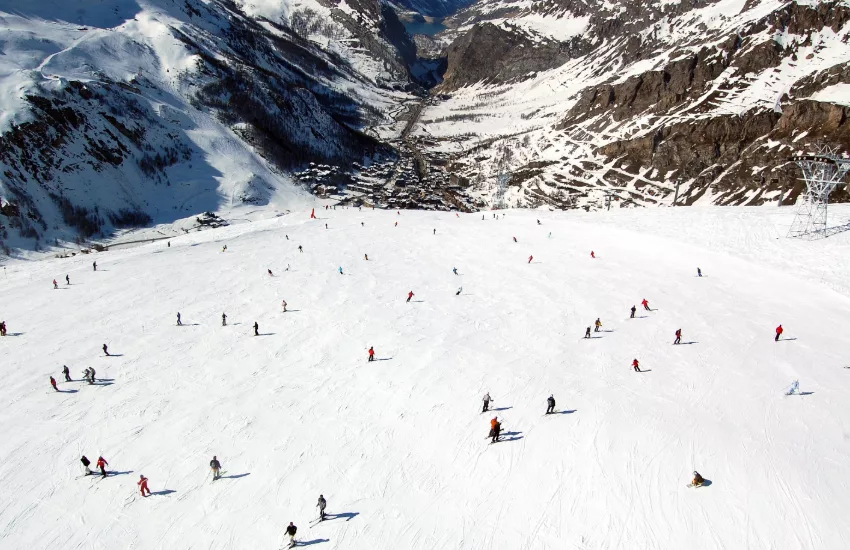
On crowded days, there are a few additional safety tips for skiing to consider. Slow down near lift areas and trail merges, and expect unpredictable behavior from other skiers and riders. Give beginners extra space, ski defensively, and end your day before exhaustion sets in. Treat your final run as a cool-down rather than a last challenge to reduce the risk of late-day accidents.
FAQ: Safety Tips for Skiing
What is one of the most important safety tips for skiing?
Staying in control and yielding to downhill skiers are the most critical rules.
Are helmets required for skiing?
Helmet requirements vary by resort and age, but helmets are strongly recommended for everyone.
What causes most ski accidents?
Excessive speed, loss of control, fatigue, and collisions with other skiers.
Is skiing safer than snowboarding?
Both sports carry risk. Safety depends more on behavior, skill level, and awareness than equipment.
Ski Smarter, Ski Safer
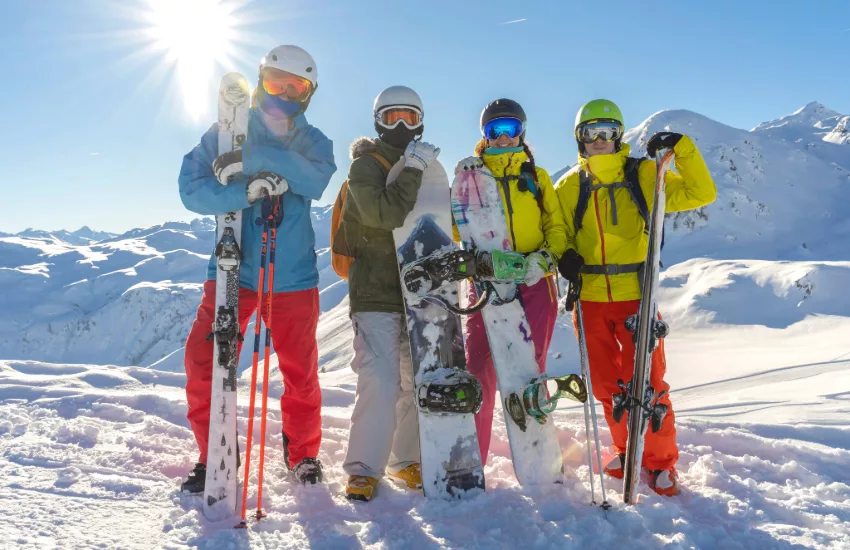
Safety tips for skiing aren’t about limiting fun—they’re about making sure every run ends the way it should. By staying in control, respecting others, and knowing your limits, you reduce risk for yourself and everyone around you.
The safest ski days are the ones where preparation, awareness, and good habits come together—starting before you even arrive at the mountain. Services like ShipSkis help simplify travel by shipping your gear ahead, cutting down on airport stress and heavy hauling so you arrive rested, organized, and ready to ski smart from the first run to the last.