



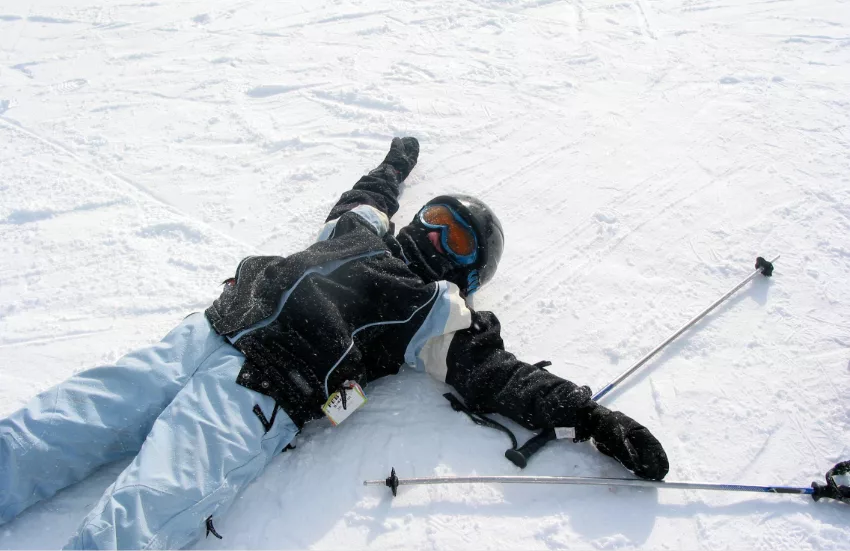
There’s a special kind of heartbreak that comes from calling it quits at 2:00 p.m. on a bluebird day. The legs are cooked, the boots feel like medieval torture devices, and you’re watching friends load the lift for “just one more” while you limp toward the lodge.
Long ski days are what winter trips are all about—but they’re also a full-body workout at altitude, in cold temps, wearing heavy gear. Luckily, fatigue isn’t inevitable. With a little planning (and a smarter travel strategy), you can ski bell-to-bell without feeling like you ran a marathon in ski boots.
Here’s how to stay strong from first chair to après.
How to Avoid Fatigue on Long Ski Days
1. Ship Your Gear Ahead
Nothing drains energy faster than ill-fitting boots, skis that are wrong for conditions, not fueling your body efficiently, or layers that don’t regulate temperature—much of which we’ll cover here. But here’s the part that most people overlook: travel fatigue.
Dragging a ski bag through the airport. Waiting at oversized baggage. Wrestling gear into a rental car. It’s exhausting before you’ve even seen snow. That’s where ShipSkis changes the game.
Instead of hauling skis, boots, and bags across terminals, you ship them door-to-door ahead of your trip. No airport schlepping. No baggage carousel anxiety. No “please let my skis make the connection” stress.
You arrive lighter, fresher, and actually excited to ski—not already drained from travel logistics. When your gear is waiting at your destination, your energy is saved for what matters: the mountain.
2. Start Fueling Before You Click In
Skiing burns serious calories, especially when you factor in cold weather and elevation. A coffee and half a granola bar won’t cut it. What does work, is:
- A real breakfast with protein + carbs (eggs and toast, oatmeal with nut butter, yogurt, and fruit).
- Hydration before you hit the lift. Altitude dehydrates fast.
- Pocket snacks for the chair: nuts, bars, jerky, even a PB&J.
By the time you feel thirsty or shaky, you’re already behind.
3. Pace the First Hour
Fresh legs + fresh groomers = temptation to ski as much as possible, as quickly as possible.
Don’t.
The first hour sets the tone for the entire day. Go smooth, not all-out. Let your body warm up. Ski within yourself. The mountain will still be there at 3 p.m.—your quads might not.
4. Take Strategic Breaks
The key is planned recovery.
- Quick boot unbuckles at mid-mountain.
- A 10-minute water break instead of a 45-minute crash in the lodge.
- Rotate terrain—mix groomers, trees, and cruisers instead of hammering bumps all morning.
Think of it like interval training. Manage effort so you’re not forced into a full shutdown later.
5. Train Before the Trip
You don’t need to become a CrossFit hero. But a few weeks of prep makes a huge difference.
Focus on:
- Squats and lunges
- Core strength
- Balance work
- Cardio endurance
Skiing is controlled strength under fatigue. Train for that, and your legs will thank you on day three.
6. Respect the Altitude
If you’re skiing out West or in the Alps, elevation adds another layer of fatigue.
- Drink more water than you think you need.
- Ease into day one.
- Skip the heavy après on night one if you want strong legs on day two.
Altitude fatigue is real—but manageable.
7. End Smart, So You Can Ski Tomorrow
The goal isn’t just surviving one epic day—it’s stacking multiple great days in a row.
When your form starts slipping, call it before you yard-sale yourself into next week. A controlled finish beats a heroic last run that leaves you wrecked.
How to Avoid Fatigue on Long Ski Days
Long ski days aren’t about grinding yourself into exhaustion. They’re about flow—good snow, good turns, good company, and enough energy left for après.
Fuel well. Pace smart. Train ahead of time. And remove the unnecessary stress before you even step on the plane.
ShipSkis handles the heavy lifting, so you can save your legs for the vertical. Because the only thing that should feel spent at the end of the day… is the daylight.